
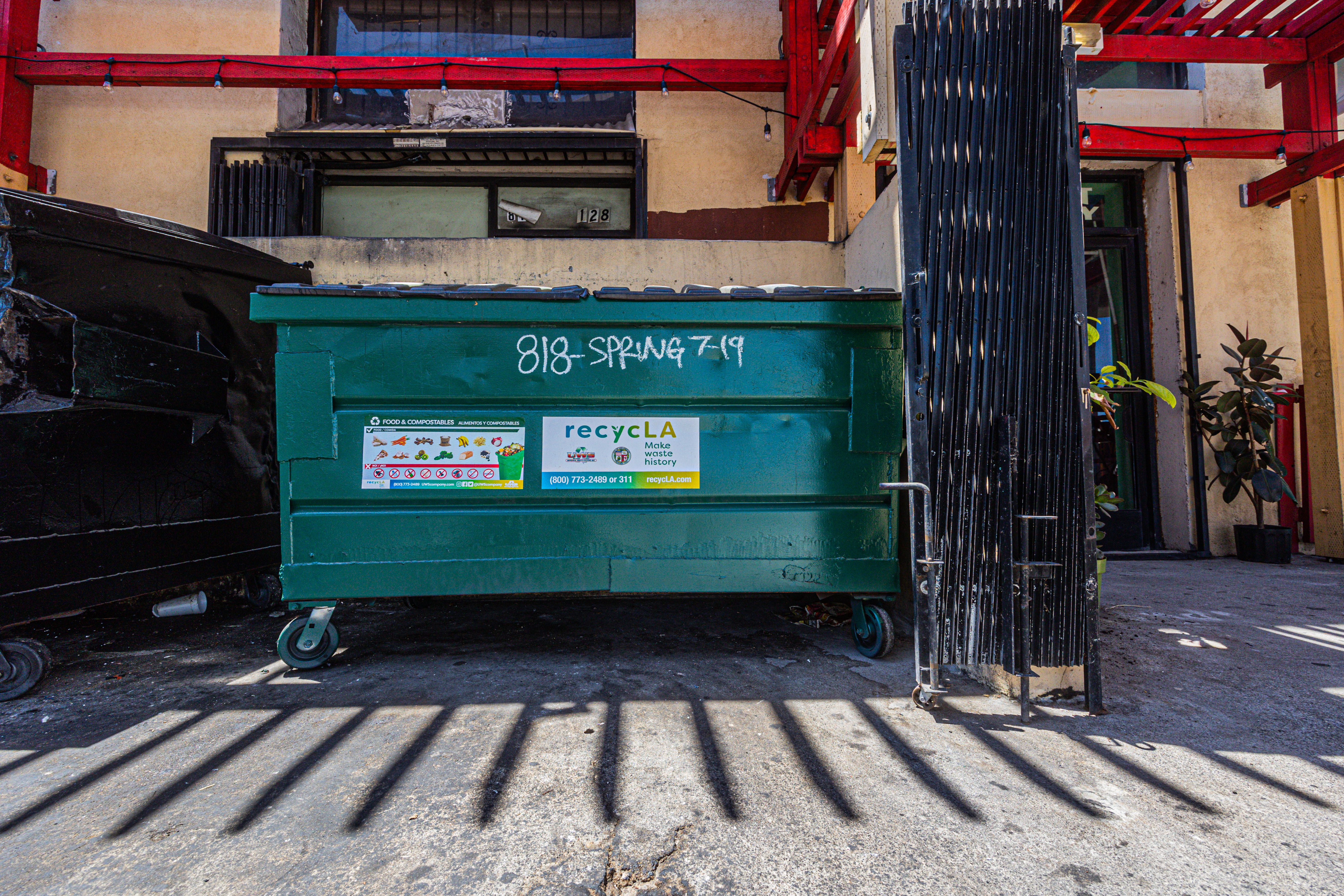
When planning a construction, demolition, or industrial cleanup, container volume is only part of the decision. A roll-off dumpster can look like it has plenty of room left and still be near its allowable weight. That distinction matters because dense materials can create unexpected disposal costs when a load exceeds the agreed dumpster tonnage limit.
The practical goal is not simply to fill every available cubic yard. It is to select a container and loading plan that match the material stream, expected density, site access, hauling needs, and diversion opportunities. For contractors and facility managers, a short conversation before delivery can help prevent dumpster overweight fees, extra handling, or a load that cannot be hauled as planned.
What is a roll-off dumpster weight limit?
A roll-off dumpster weight limit is the maximum load weight included or allowed under the specific hauling arrangement. It is separate from the physical size of the container. Roll-off containers are commonly measured in cubic yards, which describe volume; weight is determined by what goes into that space.
There is no useful one-number answer to “how much weight can a roll-off dumpster hold?” without knowing the container, material, disposal or recycling outlet, and terms of service. Weight allowances and overage policies should be confirmed directly before a container is ordered. A 20-yard container filled with light packaging waste may weigh far less than the same-size container holding concrete, masonry, or saturated material.
Upstream Waste Solutions provides open-top and covered roll-off containers for construction and industrial jobsites, with container sizes generally ranging from 18 to 40 yards. Review how 18-, 20-, 30-, and 40-yard containers compare, then discuss both the expected volume and material type when requesting service.
Why heavy debris creates overage risk
Volume is easy to see. Density is not. Heavy debris can occupy relatively little space while adding substantial weight to a load. Common examples include concrete and asphalt, metal, masonry, drywall, wood that is wet from weather exposure, and mixed construction and demolition debris containing several dense materials.
Mixed loads add another layer of uncertainty. A crew may begin loading with wood, cardboard, and general renovation debris, then add smaller quantities of concrete, metal, or masonry later. The container may appear only partially full, but the combined load can approach its tonnage limit. Rain can also change the picture by adding moisture to porous materials or allowing water to collect in an uncovered container.
In other words, choosing the biggest available box does not automatically solve a weight problem. A larger container may offer more volume, but it can also encourage a crew to combine too much dense material into one haul. The right choice depends on the debris stream and the planned loading sequence.
How to avoid dumpster overweight fees
1. Identify dense materials before ordering
Walk the work area and estimate the major material categories before scheduling delivery. Flag concrete, asphalt, brick, block, masonry, metal, soil-like material, and wet or water-affected debris early. Then communicate whether the load will be a single material or a mixed C&D load.
This step also supports better recycling decisions. Upstream handles common materials such as concrete and asphalt, metal, wood and green waste, drywall, cardboard and paper, plastics, masonry, and pallets. Material handling options depend on the stream, so it is better to ask before materials are mixed beyond practical recovery.
2. Ask about the applicable tonnage limit and charges
Before delivery, ask the provider to explain the dumpster tonnage limit for the requested service and how any excess weight is handled. Confirm the materials you expect to load, whether a dedicated container is preferable, and what information the crew needs to provide if the scope changes. Do not assume that a limit used on a previous project applies to a new location or material mix.
This is also the time to discuss pickup timing. For high-density debris, more frequent pulls or smaller, controlled loads may be more manageable than allowing one container to become excessively heavy.
3. Separate heavy materials from mixed debris when practical
Keeping dense materials separate can make loading more predictable and may preserve recovery options. For example, a container intended for general C&D debris should not become the default destination for every piece of concrete, metal, or masonry on site. Clear labels, a designated staging area, and a quick crew briefing can prevent last-minute mixing.
For a closer look at common construction debris streams, see what may be recycled versus sent to the landfill. Sorting decisions should be made around the actual materials and project requirements, not assumptions.
4. Load evenly and do not overfill
Distribute material as evenly as possible inside the container. Uneven loading can complicate safe transport and makes it harder to judge how much heavy debris has accumulated in one area. Keep debris within the container rather than piled above its top edge. A load must be suitable for transport, and a container that is overfilled or improperly loaded may require additional work before pickup.
For covered containers, confirm the intended use and loading process before delivery. Covers can help protect certain material streams from weather, but they do not change the need to manage weight.
5. Monitor the load throughout the job
Do not wait until the final cleanup day to assess the dumpster. Have a superintendent, foreman, or designated site contact check the material mix as work progresses. If the load is becoming denser than expected, contact the hauler before adding more material. Early communication provides more options than discovering a problem after the container is ready for pickup.
Match the container plan to the jobsite
The best roll-off plan accounts for more than size. Consider the debris type, whether materials can be separated, expected generation rate, access for delivery and pickup, and whether the project has reporting or diversion requirements. Upstream supports hauling and commercial recycling programs for construction and industrial sites in the CSRA and surrounding Georgia and South Carolina markets.
Projects pursuing LEED-related waste goals may also need documentation around diversion and material handling. Upstream provides LEED-oriented sorting, documentation, and reporting support; it does not award LEED certification. The U.S. Green Building Council’s LEED information and the EPA’s construction and demolition materials guidance offer additional context on managing C&D materials.
Get clear answers before debris starts moving
A roll-off dumpster weight limit should be part of the planning conversation from the start, particularly when a project includes concrete, asphalt, masonry, metal, or wet mixed debris. Specify the materials, ask about the applicable weight terms, separate heavy streams where practical, and monitor loading before the container is full.
For commercial and construction projects, Upstream’s roll-off container and hauling service can help align container selection with the jobsite’s waste and recycling needs. Clear planning helps reduce uncertainty around overweight loads while keeping the site moving.