
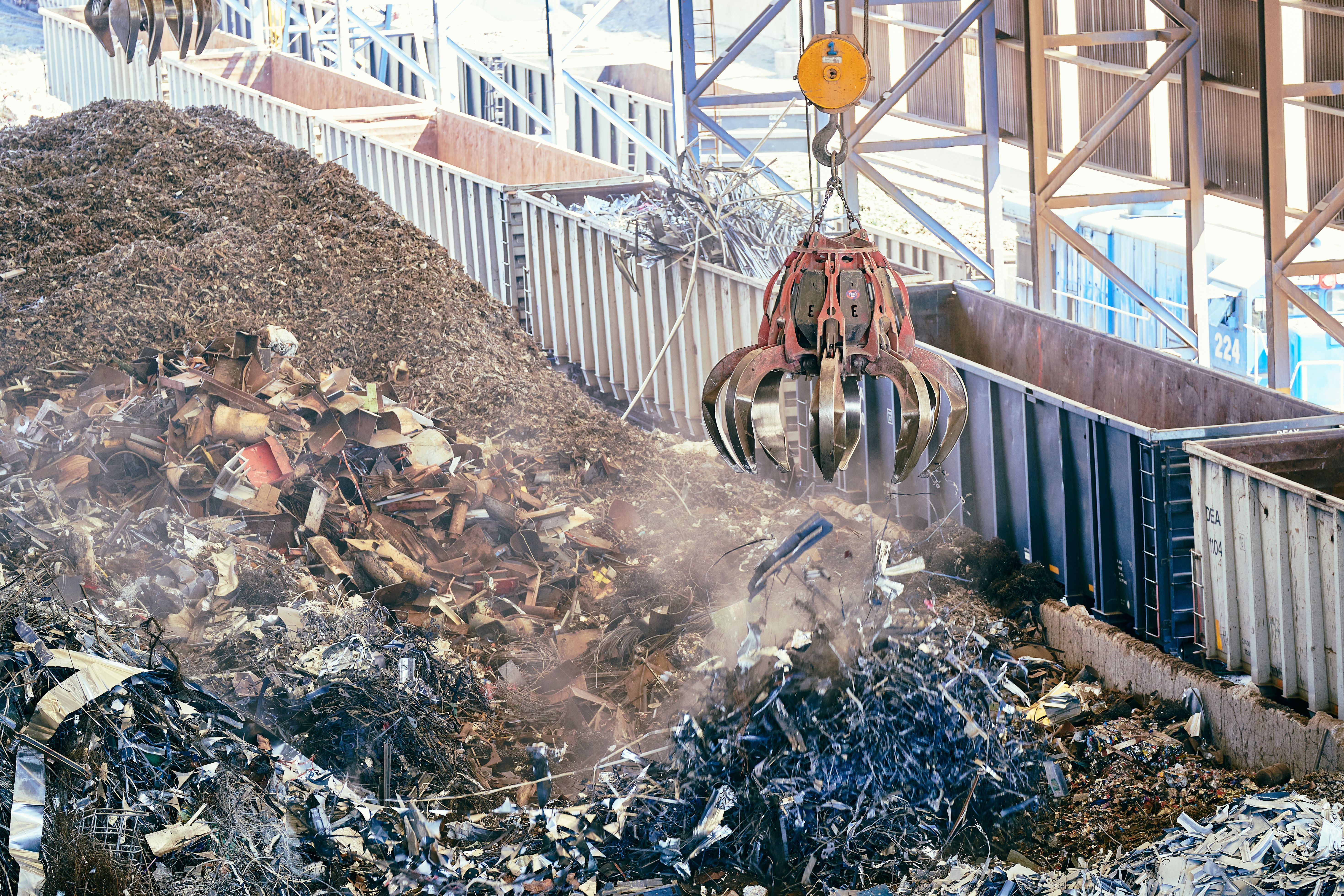
For a project pursuing LEED, construction waste handling is not simply a matter of ordering a dumpster and removing debris when it is full. The project team needs a repeatable way to separate or sort recoverable materials, track every load, and organize documentation that supports the project’s diversion reporting.
That work is easiest when it starts before demolition, framing, or finish work creates a high volume of debris. A clear plan gives superintendents, subcontractors, and hauling partners a shared process for where material goes and what records must be retained. It also helps the project team address problems early, such as contaminated loads, missed tickets, or material that was not routed as expected.
Upstream Waste Solutions supports commercial construction projects in the CSRA and surrounding Georgia and South Carolina markets with hauling, material diversion, mixed-load sorting, and LEED-oriented reporting. A dedicated LEED coordinator handles paperwork and reporting. Learn more about the company’s LEED recycling support.
Start with the project’s LEED waste plan
LEED is a green building framework administered by the U.S. Green Building Council. The applicable LEED pathway, project specifications, and owner requirements should guide the waste plan for a particular job not assumptions carried over from a previous project. Review the current LEED program information from USGBC with the project’s LEED consultant or administrator to confirm what applies.
Before containers arrive, establish the operating details that will make later reporting possible:
- The project name, location, and internal job number to use on all records.
- Who is responsible for collecting tickets, reviewing reports, and submitting information to the LEED team.
- Expected material streams, such as concrete, asphalt, metal, wood, drywall, cardboard, paper, plastics, masonry, green waste, and pallets.
- Whether the site will use source-separated containers, mixed C&D loads sent for sorting, or a combination of both.
- Container placement, signage, pickup procedures, and who may authorize extra hauls.
- How subcontractors will be instructed to keep unacceptable material out of designated recycling loads.
The point is not to make the jobsite complicated. It is to make the waste flow understandable. If crews do not know which container is intended for a material, or if the project cannot identify a load after it leaves the site, reliable LEED construction waste documentation becomes much harder.
Track each load from the jobsite to its destination
Load-level records are the backbone of LEED construction waste management. Every haul should connect the project, the material or load type, the quantity, and the disposition of the material. This creates an audit trail that can be reviewed throughout the project rather than reconstructed at closeout.
For each load, retain the available documentation, which may include:
- Haul or collection date.
- Project name or job number.
- Container type or identifying number when applicable.
- A description of the material stream or indication that it was a mixed C&D load.
- Weight tickets, scale tickets, invoices, manifests, or other quantity records.
- The receiving facility or processing destination.
- Material recovery, recycling, reuse, or disposal information provided through the handling process.
Use consistent project naming on every ticket and invoice. Small inconsistencies a shortened job name, an incorrect project code, or tickets attached to the wrong site can consume valuable time when the project team is assembling final records.
For mixed loads, documentation should distinguish between the incoming mixed material and the results of sorting or recovery whenever those results are part of the project’s reporting approach. Mixed-load sorting can be a practical option on active sites where maintaining separate containers for every material is not feasible, but the reporting still needs to show how the load was handled.
Document materials without overpromising diversion
Contractors often focus on the diversion percentage, but the more useful day-to-day question is: can the team substantiate what happened to the material? Accurate reports depend on accurate source information.
Common recoverable construction materials can include concrete and asphalt, metal, wood, drywall, cardboard and paper, plastics, masonry, pallets, and green waste. Material acceptance and recovery options can vary by stream and project conditions. Review the available materials information and confirm the plan before directing crews to use a container for a specific material.
Do not treat a planned diversion rate as a guaranteed result. Contamination, changing job phases, material availability, and processing options can affect actual outcomes. Upstream states that its LEED projects have averaged approximately 93% diversion, but that figure is an average not a promise for every project.
The U.S. Environmental Protection Agency also identifies construction and demolition materials as an important part of sustainable materials management. Its construction and demolition materials guidance provides useful broader context for reducing disposal and recovering materials.
Build a documentation routine, not a closeout scramble
A weekly or biweekly review is far more manageable than collecting months of tickets after the work is complete. The person assigned to waste tracking should compare hauling records with the project’s own container and pickup log. Investigate gaps while details are still fresh.
A practical review checklist includes:
- Have all hauls from the reporting period been recorded?
- Does each record identify the correct project?
- Are weight or quantity records available and legible?
- Are mixed-load recovery reports available when needed?
- Are disposal records separated from diversion records?
- Do unexpected landfill loads need an explanation or a change in jobsite procedures?
- Have copies been saved in the project’s central documentation location?
This routine also gives the project team an opportunity to improve operations. A recurring contaminated cardboard load may point to inadequate signage. Too many small hauls may signal that container sizing or pickup timing should be adjusted. A heavy debris phase may require a different planning approach than a packaging-heavy finish phase.
Match container planning to the waste plan
Container decisions affect both jobsite efficiency and LEED waste diversion requirements. Open-top and covered roll-off options can support different site conditions, material streams, and weather concerns. Upstream provides roll-off containers and hauling for construction and industrial jobsites, with container sizes generally ranging from 18 to 40 yards. Explore roll-off containers and hauling or use this guide to compare 18-, 20-, 30-, and 40-yard containers.
The right setup should reflect the expected volume, density, material type, available staging area, and pickup frequency. It should also be simple enough that crews will use it correctly. On many projects, a small number of clearly managed streams combined with documented mixed-load sorting is more workable than an overly complex container layout.
Get reporting support early
LEED construction waste management works best as a coordinated process among the contractor, subcontractors, waste provider, and LEED project team. Engage the hauling and recycling partner before major waste-generating phases begin, provide the exact project identification needed on records, and designate one person to monitor documentation.
For projects in the CSRA and surrounding markets, Upstream can help align hauling, diversion, and reporting with the needs of a commercial construction site. Visit commercial recycling services to discuss a project-specific plan and the documentation needed for your team’s LEED process.